
Different Types of Gaskets: A Comprehensive Guide
By:Admin
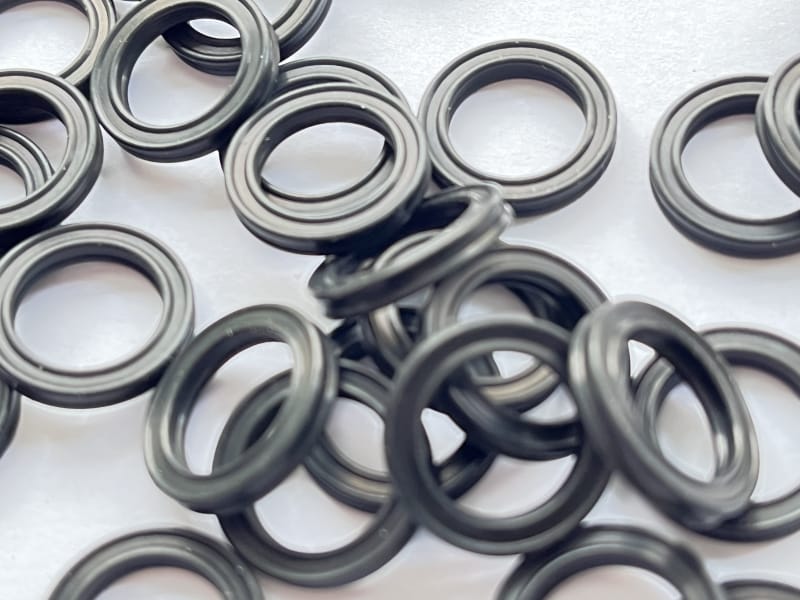
Gaskets play a crucial role in ensuring the integrity and safety of various mechanical and industrial systems. As essential sealing components, they prevent leaks of liquids, gases, or contaminants between two or more joined surfaces. With advancements in materials science and engineering, a wide array of gasket types is now available to meet the diverse needs of industries such as automotive, aerospace, oil and gas, chemical processing, and manufacturing.
This article delves into the different types of gaskets commonly used across industries, highlighting their unique properties, applications, and advantages. Understanding these can help engineers and decision-makers select the optimal gasket solutions for their specific projects.
### What is a Gasket?
A gasket is a mechanical seal usually made from flexible materials, designed to fill the space between two mating surfaces. Its primary function is to prevent leakage from or into the joined objects while under compression. Gaskets can be found in almost every industry where pipelines, engines, pumps, flanges, and other equipment need to be sealed tightly.
### Types of Gaskets
#### 1. **Compressed Non-Asbestos Fiber Gaskets**
Traditionally, asbestos was the go-to material for gaskets due to its heat resistance and durability. However, due to health concerns, non-asbestos fibers have become the preferred choice. These gaskets are typically made from a mixture of aramid fibers, synthetic fibers, fillers, and rubber binders. They offer excellent resistance to heat, chemicals, and pressure, making them suitable for steam services, petroleum, and chemical industries.
**Applications:** Flanges in piping systems, heat exchangers, pumps, and valves.
#### 2. **Spiral Wound Gaskets**
Spiral wound gaskets consist of alternating layers of metal winding and filler material, typically graphite or PTFE (Polytetrafluoroethylene). Their design allows them to maintain tight sealing under variable temperatures and pressures, with good recovery and resilience.
**Advantages:**
- Can withstand high temperatures and pressures.
- Suitable for high-pressure steam and chemical applications.
- Resistant to corrosion when paired with appropriate filler materials.
**Applications:** Petroleum refineries, power plants, and chemical processing equipment.
#### 3. **Ring Type Joint (RTJ) Gaskets**
RTJ gaskets are solid metal ring gaskets with a precisely machined cross-section. They are designed to fit into a groove on the flange face, creating a metal-to-metal seal that holds up exceptionally well under extreme pressure and temperature conditions.
**Advantages:**
- Superior mechanical strength.
- Excellent for severe service conditions where leak prevention is critical.
**Applications:** Oil and gas pipelines, high-pressure reactors, and high-temperature furnace systems.
#### 4. **Metallic Gaskets**
These gaskets are made entirely from metal or metal composites and used in environments where exceptional durability and resistance to heat and pressure are required. Types include corrugated metal gaskets, jacketed gaskets, and metal-jacketed graphite gaskets.
**Applications:** Nuclear reactors, aerospace components, and heavy machinery.
#### 5. **Rubber Gaskets**
Made from elastomers such as neoprene, nitrile (Buna-N), EPDM, or silicone, rubber gaskets provide excellent flexibility and are effective in sealing low-pressure applications involving water, air, and certain chemicals.
**Advantages:**
- Good resilience and compressibility.
- Effective in dynamic or vibration-prone environments.
- Cost-effective for many consumer products.
**Applications:** Automotive engines, household appliances, HVAC systems.
#### 6. **PTFE (Teflon) Gaskets**
PTFE gaskets offer excellent chemical resistance and can withstand a wide temperature range. They are inert to most chemicals and have a low coefficient of friction, making them ideal for aggressive media.
**Applications:** Chemical processing plants, pharmaceutical manufacturing, food and beverage industries.
### Factors to Consider When Selecting a Gasket
Choosing the right gasket depends on multiple factors, including:
- **Operating Temperature and Pressure:** The gasket material must withstand the pressure and temperature conditions of the application.
- **Chemical Compatibility:** It is crucial to select materials resistant to the fluids or gases they will be exposed to.
- **Surface Finish and Flange Design:** The condition and design of mating surfaces determine the gasket's sealing effectiveness.
- **Environmental Conditions:** Exposure to UV radiation, ozone, or moisture can affect gasket materials.
- **Cost and Longevity:** Balancing upfront material costs with the expected service life and maintenance requirements.
### Industry Application Overview
Industries such as oil and gas, power generation, chemical processing, automotive, and aerospace rely heavily on high-quality gaskets to maintain system efficiency and safety. For example, in the oil and gas sector, spiral wound and RTJ gaskets are commonly used to prevent hazardous leaks. In contrast, the food industry often employs PTFE or rubber gaskets for non-toxic and FDA-compliant sealing solutions.
### Company Introduction
With extensive experience in manufacturing and supplying high-performance gaskets, [Company] offers a broad portfolio of sealing solutions tailored to meet specific industrial needs. Their commitment to quality, innovation, and customer service has established them as a trusted partner in various sectors.
Utilizing advanced manufacturing technologies and rigorous quality control measures, [Company] provides customized gasket solutions that adhere to international standards, ensuring reliability and durability under demanding conditions. Their technical team works closely with clients to recommend the most suitable gasket types and materials to optimize performance and cost-effectiveness.
### Conclusion
The wide variety of gasket types available today enables industries to address diverse sealing challenges effectively. From rubber and PTFE to metal and composite gaskets, selecting the right type depends on thorough assessment of operating conditions and material compatibilities.
By partnering with experienced manufacturers and understanding the unique properties of each gasket type, industries can enhance their equipment's safety, efficiency, and longevity. For organizations seeking dependable sealing solutions, exploring the range of gasket materials is a critical step towards maintaining system integrity and operational excellence.